
Court Marriage Myths in Pakistan spread through films, social media and advertisements that borrow from Indian law. Couples arrive believing they need a judge, a 30-day notice, their parents' signatures or a certificate that can be bought online. None of that is true for Muslims in Pakistan. This guide takes the common myths one by one and sets out what the law actually says.
Executive Summary: Court Marriage Myths in Pakistan Versus Reality
Quick Answer
For Muslims, a court marriage is a Nikah solemnised with lawyers' help, supported by free-will affidavits and registered with the Union Council under MFLO 1961 s.5. There is no hearing, no notice period and no parental signature requirement for adults. Certificates come only from the Union Council, never from a website.
What It Is and Who Needs It
This guide is for couples considering a court marriage, parents worried about one, and anyone who has seen confusing claims online. Clearing up court marriage myths in Pakistan first makes the real procedure far less frightening.
Fee Basis
Court marriage fees are quoted after a short consultation. For reference, our online Nikah fees are: Basic Nikah in Pakistan from PKR 7,000; overseas online Nikah about PKR 30,000–50,000; overseas Nikah with documents quoted after review.
Timing
With documents ready, the Nikah and an officially registered Nikah Nama can be done the same day, and the NADRA MRC usually follows in 1–2 days. Court cases, such as protection petitions, have no fixed time.
How to Start
WhatsApp +92 333 1127836 (24/7), call 10 am – 10 pm, or email info@onlinemarriages.org. Head office: G-9 Markaz, Islamabad. Karachi branch: Munir Heaven (Muneer Mobile Mall), Gulistan-e-Jauhar, Karachi.
Ten Court Marriage Myths in Pakistan at a Glance
The table lists the court marriage myths in Pakistan we hear most often, with the short legal answer. Each is explained further below.
| Myth | Fact |
|---|---|
| You must appear before a judge | No hearing; the marriage is a Nikah with lawyers' help |
| There is a 30-day notice period | No notice period; that is India's Special Marriage Act |
| Parents must sign or consent | Not for adults; PLD 2004 SC 219 |
| A certificate can be bought online | Only the Union Council issues the NADRA MRC after registration |
| Court marriage is un-Islamic | It is an ordinary Nikah with consent, witnesses and Mahr |
| Any age is fine with consent | 18 for both in Sindh; check other provinces' current law |
| It is finished almost instantly | Timing depends on documents; same-day Nikah is possible when papers are ready |
| A notary affidavit gives full protection | Magistrate attestation under s.22-A Cr.P.C. is stronger |
| A married man can simply remarry | Arbitration Council permission is required under MFLO s.6 |
| Court marriage stops any FIR | It does not; lawyers help respond to false cases |
Myth: You Must Go Before a Judge
This is perhaps the most widespread of the court marriage myths in Pakistan. For Muslims there is no court-marriage statute and no hearing. Lawyers prepare affidavits, the Nikah is performed with two witnesses, a Nikah Khawan and a licensed registrar, and the Nikah Nama is registered with the Union Council. A court is involved only if someone later files a case.
Myth: A 30-Day Notice Period Applies
Notice periods and 30-day waits come from India's Special Marriage Act 1954. Pakistan has no equivalent rule for Muslim marriages. Once documents are ready, the Nikah and an officially registered Nikah Nama can be done the same day. Advertisements copying Indian procedure are a major source of court marriage myths in Pakistan.
Myth: Parents Must Agree
An adult Muslim woman may marry with her own free consent. The Supreme Court confirmed this in Hafiz Abdul Waheed v Asma Jehangir, PLD 2004 SC 219, and a wali's consent is not a legal condition in Pakistan. Family support is valuable where it is safe, but the law does not require parents' signatures. Few court marriage myths in Pakistan cause as much family conflict as this one.
Where families oppose the marriage, lawful remedies include protection or harassment petitions to the High Court and complaints to the police. Free-will statements may be recorded before a Magistrate. Forced marriage and honour violence are crimes under the Pakistan Penal Code.
Myth: Certificates Can Be Bought Online
No genuine marriage certificate exists without a Nikah. The computerised NADRA Marriage Registration Certificate is issued by the Union Council only after a licensed registrar files the Nikah Nama. Of all the court marriage myths in Pakistan, this one causes the most harm, because fake papers fail at embassies and can lead to criminal charges.
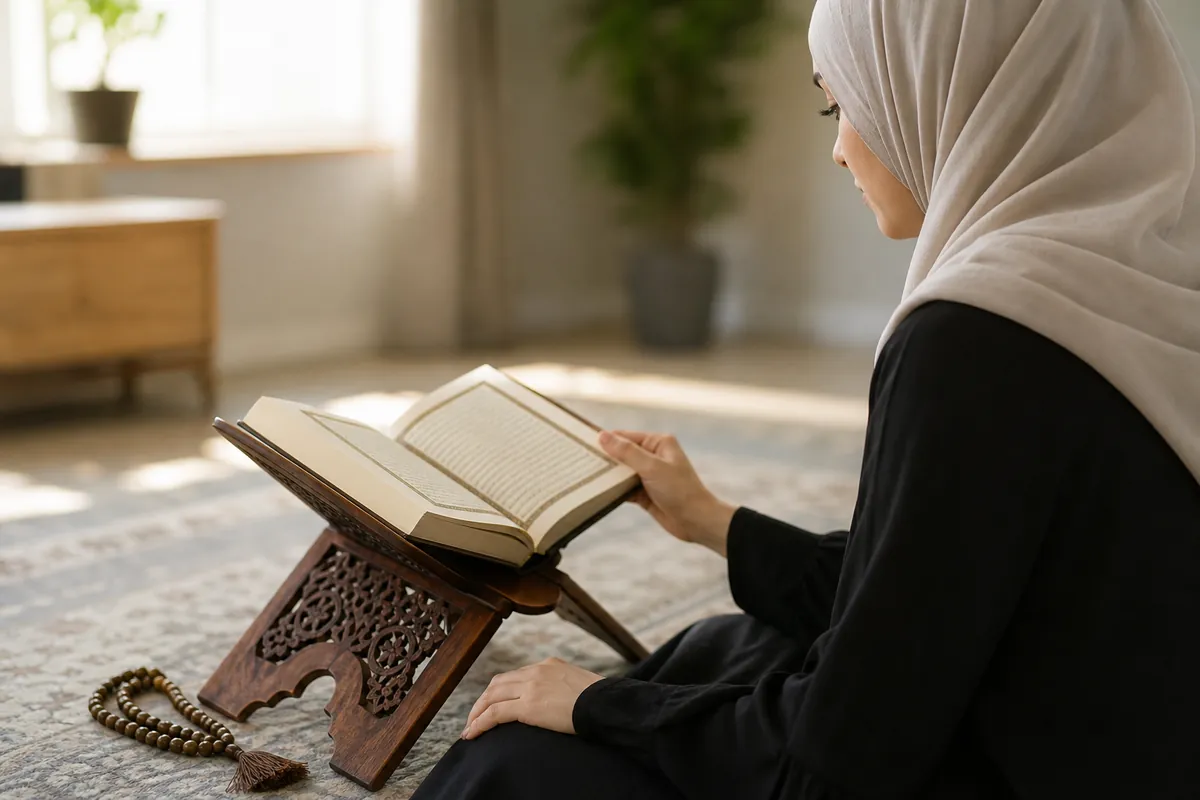
Myth: Court Marriage Is Un-Islamic
A lawyer-led court marriage contains every element of a Nikah: free consent, offer and acceptance, two witnesses and Mahr. The lawyer's role is to prepare documents and protect the couple, not to replace the religious form. Shia and Sunni ceremonies are both possible, with a Nikah Khawan from the couple's own school of thought. Relatives repeat this claim more than most court marriage myths in Pakistan.
Smaller Court Marriage Myths in Pakistan Worth Correcting
- Age: consent does not override the law; the minimum is 18 for both in Sindh, and other provinces must be checked.
- Speed: no honest provider promises a fixed number of minutes; timing depends on documents.
- Affidavits: notary attestation is common, but Magistrate attestation under s.22-A Cr.P.C. gives stronger evidence.
- Second marriage: a married man needs Arbitration Council permission under MFLO s.6.
- Interfaith: a Muslim woman's marriage to a non-Muslim man is not recognised under Muslim personal law.
- Protection: a court marriage does not prevent a false FIR, but good documents help defend one.
How the Real Procedure Works Once Court Marriage Myths in Pakistan Are Set Aside
Once the myths are cleared away, the procedure is short and clear.
- Consultation and document check.
- Free-will affidavits sworn and attested, ideally before a Justice of the Peace.
- Nikah with two witnesses, a Nikah Khawan and a licensed registrar.
- Nikah Nama filed with the Union Council or Cantonment Board.
- NADRA MRC issued, usually in 1–2 days.
What We Don't Claim
- We do not claim government approval; no such approval exists for any firm.
- We do not promise that families will accept the marriage or that no case will be filed.
- We do not offer a fixed number of minutes or a guaranteed outcome.
- We do not quote a court marriage fee before a short consultation.
Getting Facts, Not Court Marriage Myths in Pakistan, From a Lawyer
Many providers are only Nikah Khawans. Our qualified High Court lawyers explain the law first. Senior advocate Mohsin Ali Shah has practised since 1985, and lady family lawyer Mrs Sobia Mohsin is present in a family-friendly office with the Nikah Khawan and witnesses. Licensed registrars Ali Mohsin and Syed Sajjad Bukhari Sahib complete registration, and Allama Tariq Hussain Mashhadi conducts Shia Nikah.
Frequently Asked Questions
What is the most common of the court marriage myths in Pakistan?
That the couple must appear before a judge. For Muslims there is no hearing. The marriage is a Nikah performed with lawyers' help, supported by free-will affidavits and registered with the Union Council. A court is involved only if someone later files a case.
Is there really no 30-day wait?
Correct. The 30-day notice comes from India's Special Marriage Act 1954. Pakistan has no such rule for Muslim marriages. With documents ready, the Nikah and an officially registered Nikah Nama can be done the same day, and the NADRA MRC usually follows in 1–2 days.
Do parents have to sign anything?
No. An adult Muslim woman may marry with her own free consent, as the Supreme Court held in PLD 2004 SC 219. Parents need not sign the Nikah Nama or give documents. Where families object, lawyers can advise on safety and protection petitions. This is one of the court marriage myths in Pakistan with the least basis in law.
Can I get a court marriage certificate online?
No genuine certificate can be bought online. The NADRA Marriage Registration Certificate is issued by the Union Council only after a licensed registrar files the Nikah Nama. Websites selling certificates without a Nikah are fraudulent, and the papers fail at embassies.
Why do court marriage myths in Pakistan persist?
Indian films and websites describe India's Special Marriage Act, and some advertisements copy that language. Social stigma also keeps couples from asking openly. Reliable information from a qualified lawyer is the simplest way to separate fact from rumour.
Is court marriage valid in Islam?
A lawyer-led court marriage includes every element of a Nikah: free consent, offer and acceptance, two witnesses and Mahr. The lawyer prepares documents and protects the couple; the religious form is unchanged. Shia and Sunni ceremonies are both available. Questions of faith attract many court marriage myths in Pakistan, so ask a scholar you trust as well.
Does a court marriage stop the family filing an FIR?
No, a family can still file a complaint, sometimes falsely alleging abduction. Strong documents, including Magistrate-attested free-will statements, help defend such cases, and the High Court can hear protection or harassment petitions. Each situation needs legal advice.
Is age flexible if both agree?
No. In Sindh the minimum age is 18 for both under the Sindh Child Marriages Restraint Act 2013, and consent cannot override it. Other provinces have their own laws, so check the province's current law before planning a marriage there.
Are court marriage myths in Pakistan about speed true?
Claims of a fixed number of minutes are marketing, not law. When documents are complete, the Nikah and an officially registered Nikah Nama can be done the same day, but honest providers will not promise a fixed duration or outcome.
How much does a court marriage cost?
Court marriage fees are quoted after a short consultation, because they depend on documents and circumstances. For reference, our Basic Nikah in Pakistan starts from PKR 7,000 and overseas online Nikah is about PKR 30,000–50,000.
Reviewed by: Advocate Sobia Mohsin Shah · Senior advocate Mohsin Ali Shah (since 1985)
Last updated: 15 November 2026
General information under Pakistani law, not advice on your case. Recognition abroad depends on the law of the country concerned.